Category: Food & Dining
-

Yellow Ginkgo Trees in Korea: The November Streets, and Why They Smell
If you visit Korea in November, one of the first things you notice on an ordinary city street is the color. The ginkgo trees, 은행나무, turn a clear, even yellow, and whole avenues light up at once. I took these photos this week on a street near Busan, in mid-November, when the leaves were at…
-

Pepero Day in Korea: Why November 11 Is for Stick Snacks
As November 11 gets closer, I start seeing the same thing in every convenience store and mart I walk into: stacks of long, thin snacks by the door and down the snack aisle. That is Pepero Day (빼빼로 데이), a Korean custom that grew up around Lotte Pepero, the original chocolate-coated biscuit stick. So who…
-
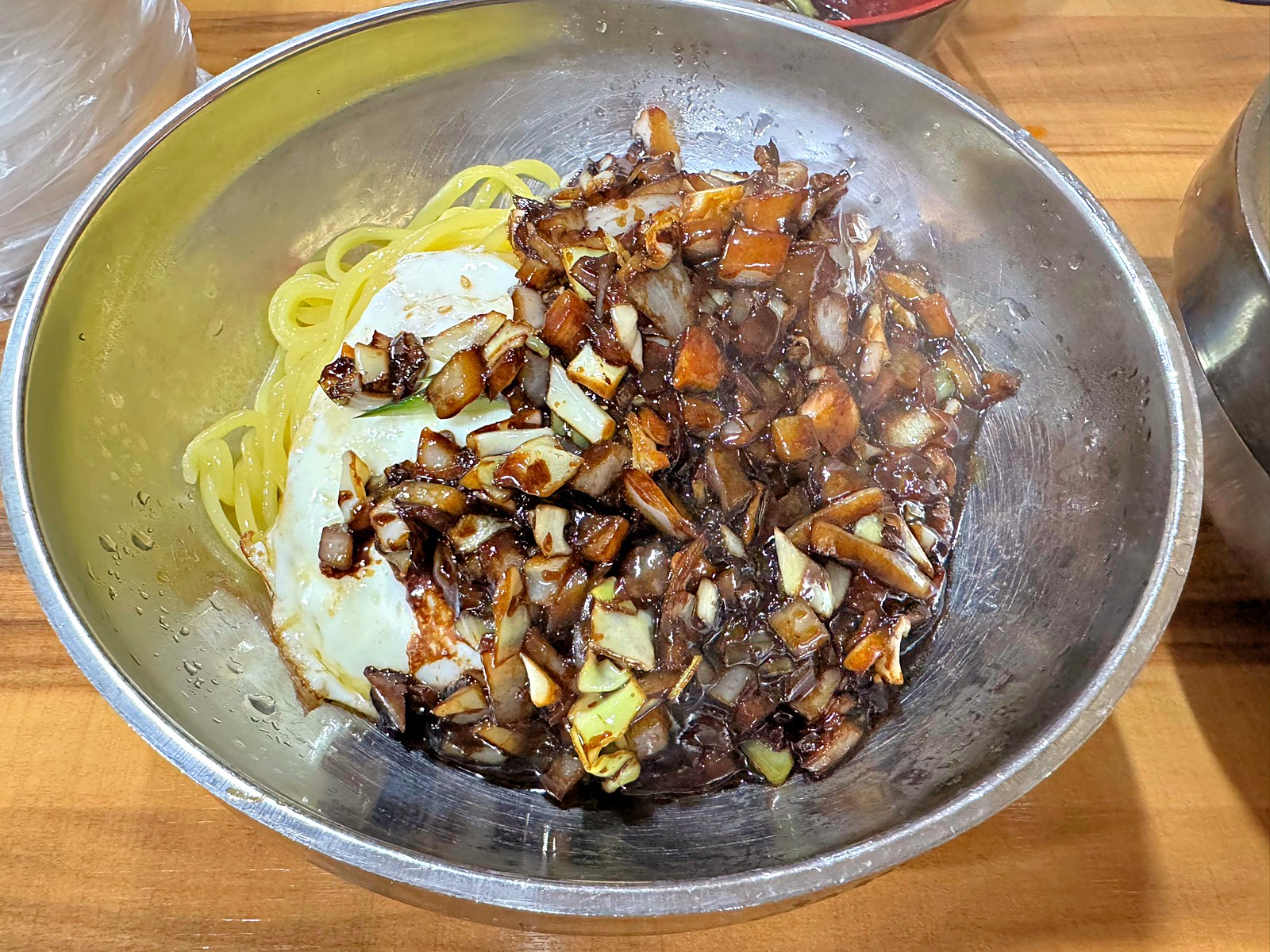
Jjajangmyeon vs Jjamppong: How to Order Korean-Chinese Food
Every Korean neighborhood has a 중국집 (jungguk-jip), a Korean-Chinese restaurant with red lanterns, a long wall menu and two dishes that outsell everything else: jjajangmyeon (black bean noodles) and jjamppong (spicy seafood noodle soup). If I want both flavors, I order black bean noodles and get the spicy soup with rice. If you’re choosing just…
-

Korean BBQ Guide for First-Timers: How to Grill, Order and Drink Soju
At a Korean BBQ restaurant, the meat is usually grilled at your table. Some restaurants have staff cook it for you, while others leave the grilling to you. The setup varies too: I cooked galbisal (boneless beef short rib) over charcoal at the restaurant in these photos. Here’s how to read the menu, place your…
-
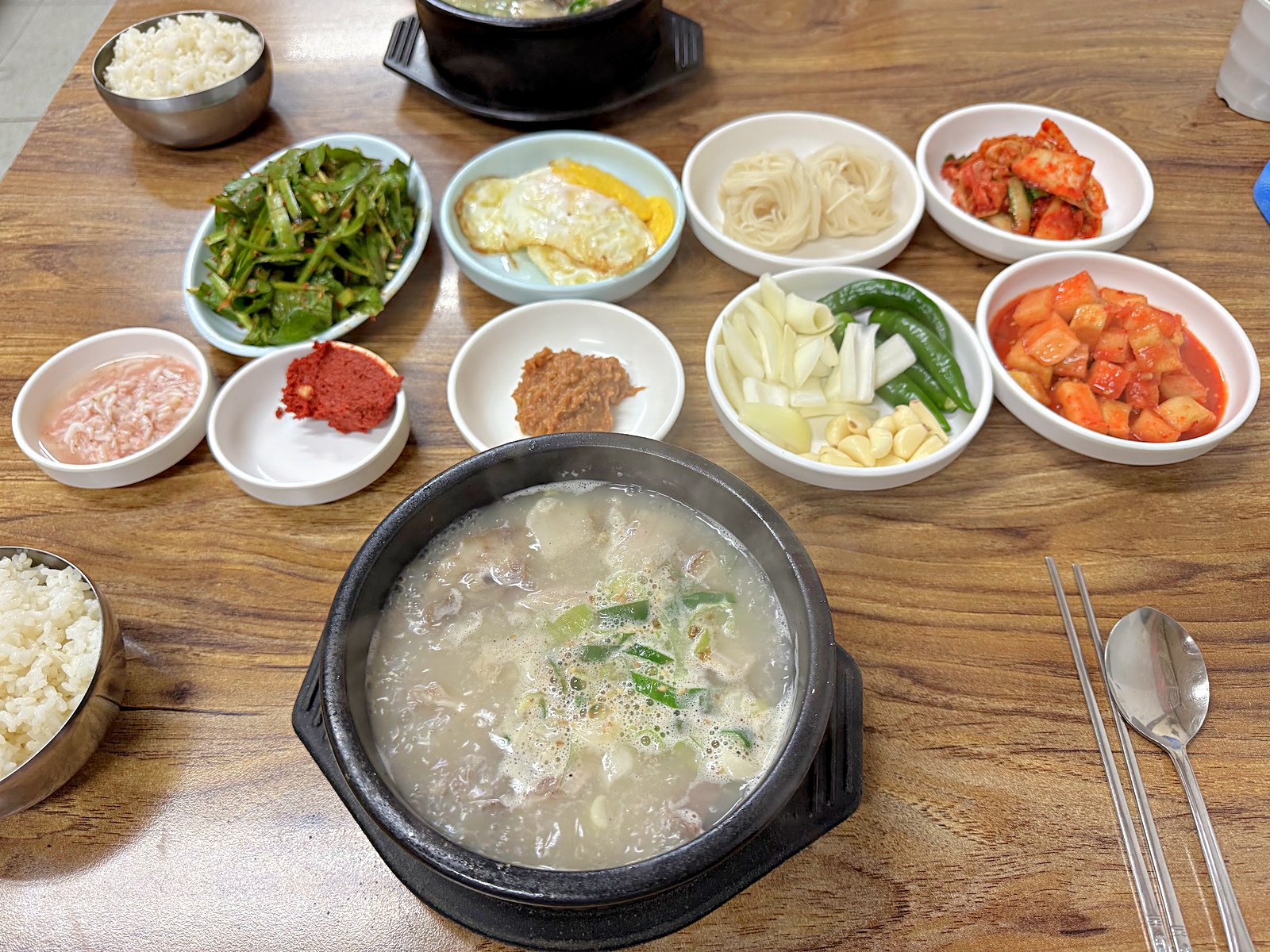
Dwaeji Gukbap: How to Eat Busan’s Pork Rice Soup Like a Local
Dwaeji gukbap (돼지국밥) is Busan’s pork rice soup: a rich pork broth with sliced pork and rice, often served bubbling in an earthenware pot called a ttukbaegi. It’s my go-to when I want a quick, filling meal. At the restaurant in these photos, my bowl came with rice on the side, thin wheat noodles and…
-

Korean Fried Chicken Guide: Old-School Chicken, Pickled Radish, Half-and-Half and How to Order
Ask Koreans what to eat on a Friday night and many will say one word: chikin (치킨). The neighborhood chicken shop (치킨집, chikin-jip) is everywhere. The old-school chicken shops I grew up with served chicken on foil-lined plates, with cabbage salad and cold pickled radish. I’d start with half fried, half yangnyeom if you’re sharing.…
-

Korean Convenience Store Guide: What to Buy at GS25, CU and 7-Eleven
Korean convenience stores (편의점, pyeonuijeom) are an easy stop for a quick meal, a cold drink or snacks for the train. Here’s what I’d pick, how to read the deal tags, and where to top up T-money or get cash. If this is your first trip to Korea, see my Korea trip planner for first-timers.…
-
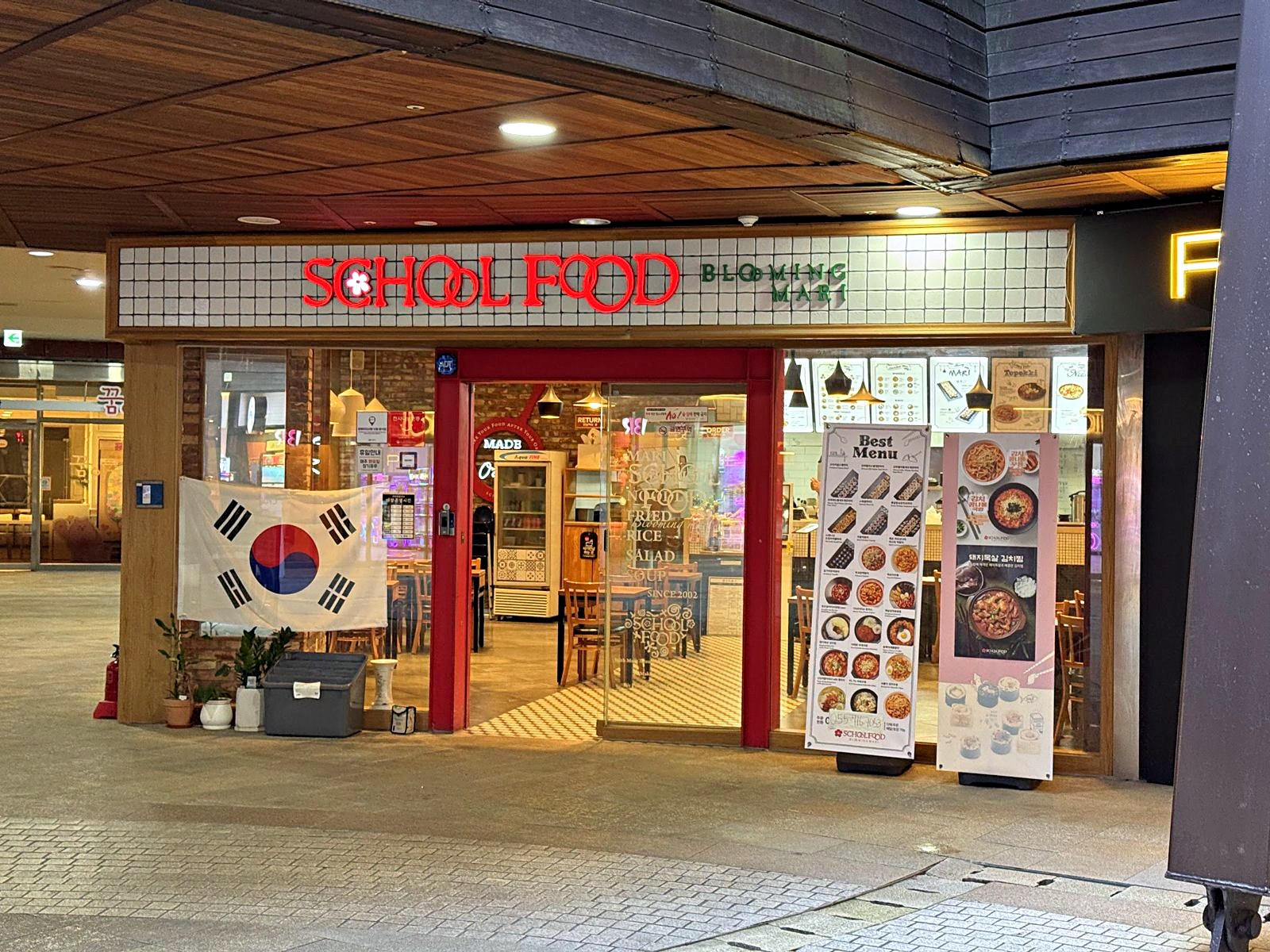
Bunsik Guide: Korean Snack Food You Should Try (Tteokbokki, Gimbap, Sundae, Eomuk & How to Order)
Some of the best food in Korea costs only a few thousand won. It is called bunsik (분식): cheap, quick Korean snack food that you eat at a small counter, a market stall or a bright chain shop. Bunsik is what I grab when I want something fast and filling. I’d order gimbap for an…
-
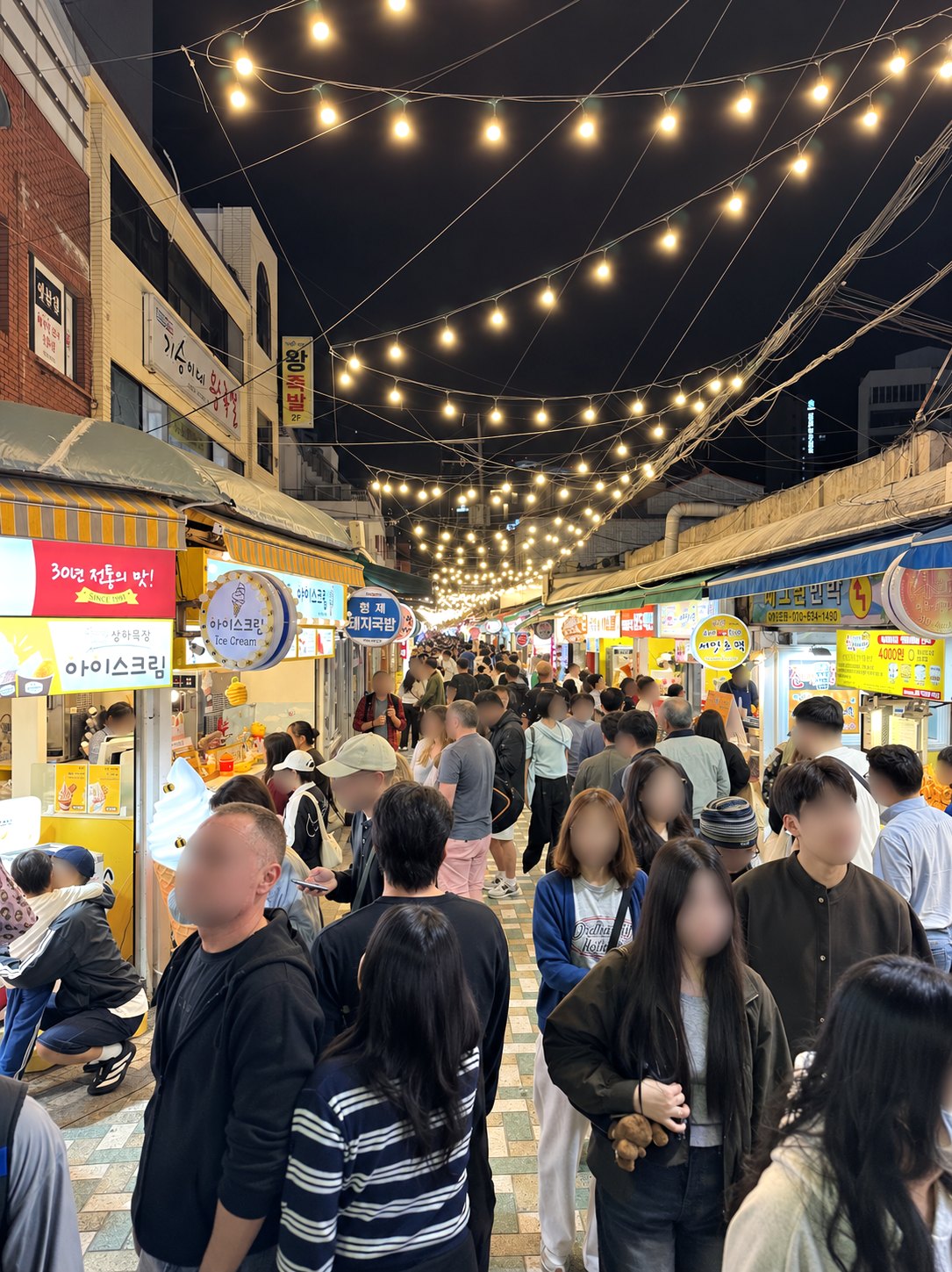
Haeundae Market Street Food Guide: What to Eat, Prices & How to Get There (Busan)
Quick answer: Haeundae Traditional Market (Haeundae Market, 해운대시장) is a covered-street food market about a five-minute walk from Haeundae Beach. The official Visit Busan listing gives hours of 09:00–22:00, open all year, with Haeundae Station (Line 2) Exit 3 as the closest exit. Go in the late afternoon or evening, bring a little cash for…
-
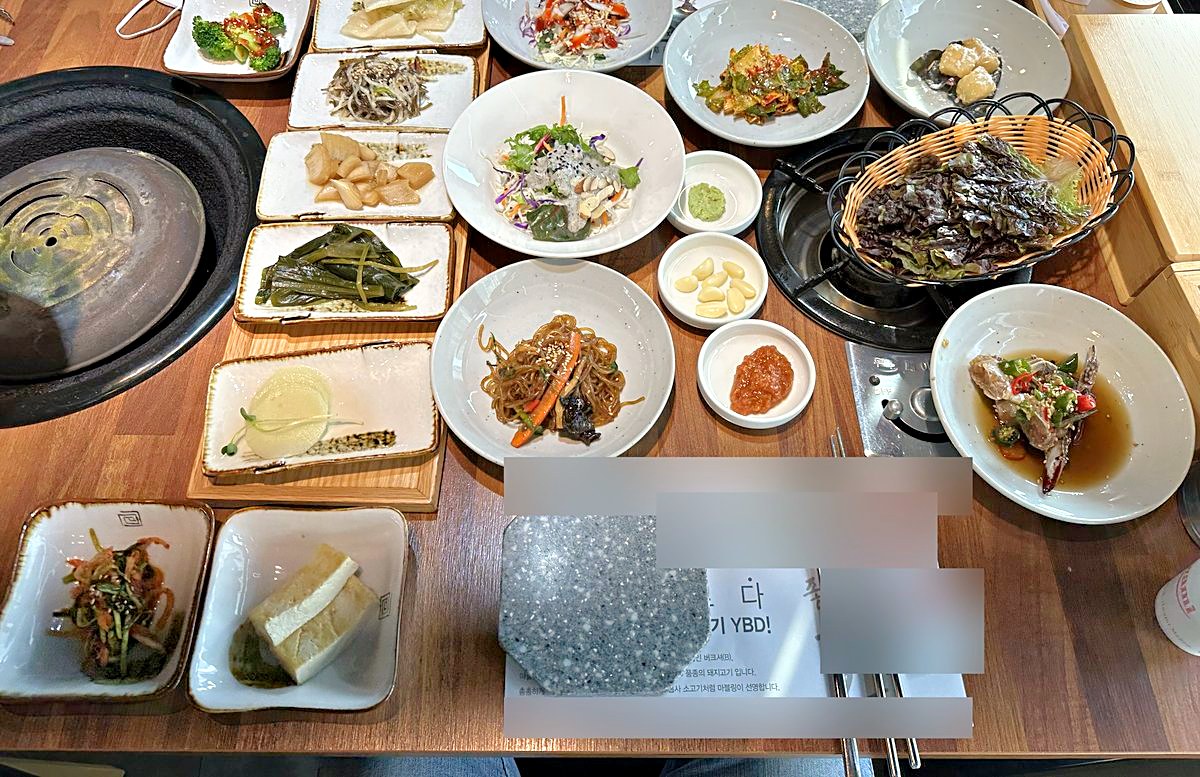
Korean Banchan Explained: Free Refills, Etiquette & Cost (First-Timer Guide)
If small plates arrive at your table before the food you ordered, you may wonder whether they’ll show up on the bill. These are banchan, and the standard sides that come with a Korean meal are usually included in the price. Many basic sides can also be refilled at no extra charge. To ask for…